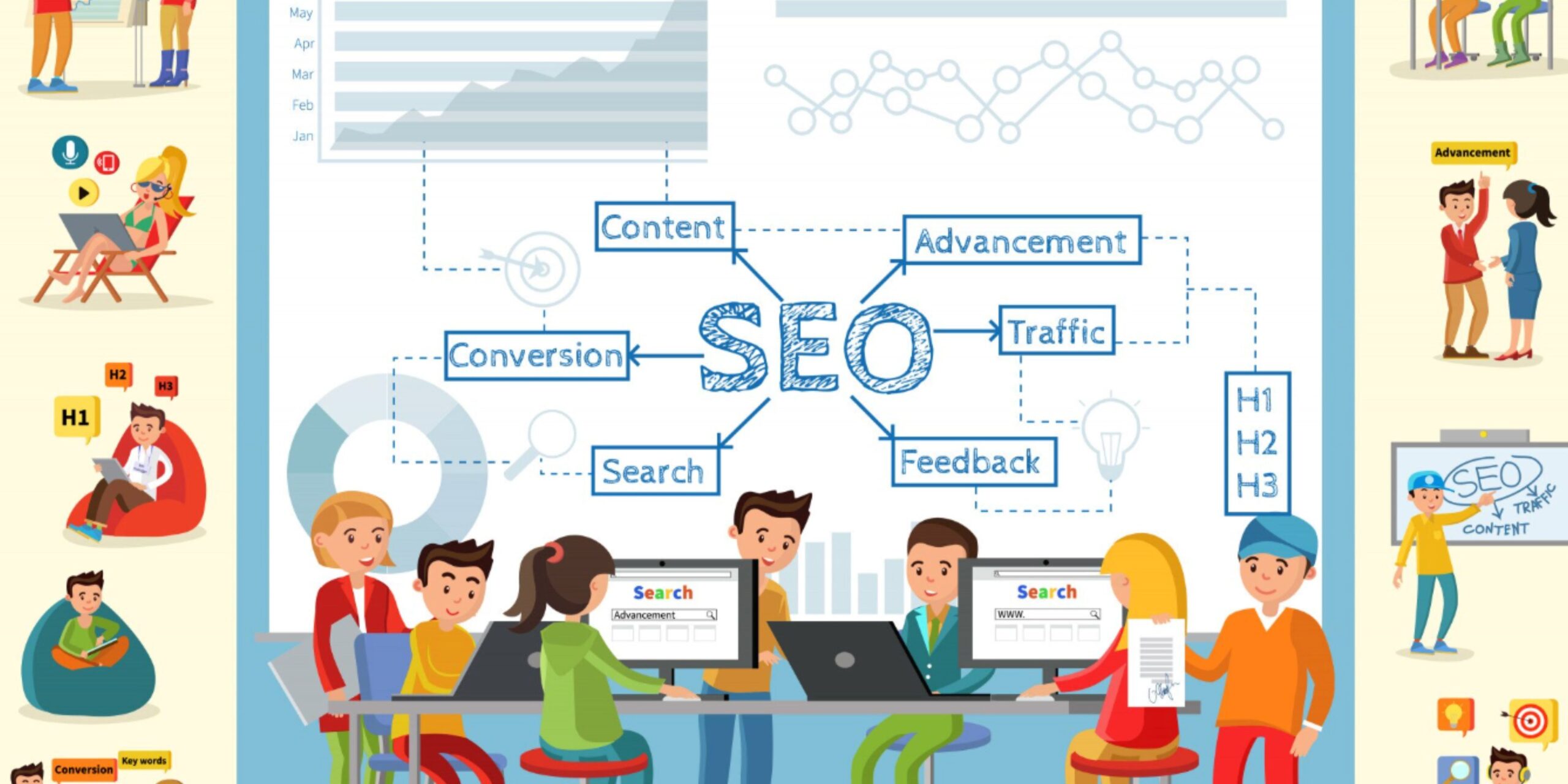

Creating compelling product descriptions is crucial for e-commerce success. Well-crafted descriptions not only inform potential customers but also enhance your search engine ranking. Let’s dive into the process of crafting SEO-friendly product descriptions that attract and convert customers.
Understanding SEO for Product Descriptions
What is SEO?
SEO, or Search Engine Optimization, involves optimizing your online content so that search engines show it as a top result for searches of a certain keyword.
Why Are SEO-Friendly Descriptions Important?
SEO-friendly descriptions help your products appear in search engine results, increasing visibility and driving organic traffic to your site.
Key Elements of SEO-Friendly Product Descriptions
1. Keyword Research
Before writing, identify the keywords your potential customers are using. Tools like Google Keyword Planner and Ahrefs can help you find relevant keywords.
2. Title Optimization
Your product title should be clear, concise, and include your primary keyword. A well-optimized title can significantly improve your search ranking.
3. Unique Content
Avoid duplicate content. Each product description should be unique and provide valuable information to your customers.
4. Length of Description
Aim for descriptions between 300-500 words. This length is sufficient to provide detailed information and include keywords naturally.
5. Use of Bullet Points
Bullet points make the description scannable and highlight key features and benefits, enhancing readability.
How to Write SEO-Friendly Product Descriptions
6. Incorporate Keywords Naturally
Include your primary and secondary keywords in a natural way. Avoid keyword stuffing as it can harm your SEO and make the content less readable.
7. Highlight Benefits Over Features
Customers are more interested in how a product can benefit them rather than just its features. Make sure to emphasize the benefits in your descriptions.
8. Include a Call to Action
Encourage potential customers to take action. Phrases like “Buy now,” “Add to cart,” or “Find out more” can increase conversion rates.
9. Optimize Images with Alt Text
Use descriptive alt text for product images. This helps search engines understand the content of the images and improves your SEO.
10. Mobile Optimization
Ensure your descriptions are mobile-friendly. With a significant portion of online shopping done on mobile devices, this is crucial for user experience and SEO.
Step-by-Step Guide to Writing SEO-Friendly Product Descriptions
Step 1: Understand Your Audience
Know who you are writing for. Understand their needs, preferences, and the language they use. This helps in crafting descriptions that resonate with them.
Step 2: Conduct Thorough Keyword Research
Use tools like SEMrush, Moz, or Google Keyword Planner to find keywords relevant to your product. Look for long-tail keywords that are less competitive but highly specific.
Step 3: Create a Compelling Product Title
Your product title should be clear, descriptive, and include the primary keyword. For example, “Organic Cotton T-Shirt for Men – Soft and Breathable.”
Step 4: Write a Unique and Engaging Description
Start with a strong opening sentence that grabs attention. Describe the product, focusing on its unique features and benefits. Use natural language and avoid jargon.
Step 5: Use Bullet Points for Key Features
Bullet points help break up the text and make it easier to read. Highlight the main features and benefits of the product in this format.
Step 6: Add a Persuasive Call to Action
Encourage the reader to take the next step. Use action-oriented language like “Order yours today!” or “Get yours now!”
Step 7: Optimize for Mobile Users
Ensure the description is easy to read on mobile devices. Use short paragraphs, bullet points, and a clear call to action.
Step 8: Include SEO-Friendly Alt Text for Images
Describe the content of your images with relevant keywords. This helps with image search optimization and accessibility.
Step 9: Proofread and Edit
Check for grammatical errors and ensure the description flows well. Read it out loud to catch any awkward phrasing.
Step 10: Monitor and Adjust
Use analytics tools to track the performance of your product descriptions. Make adjustments based on what is working and what isn’t.
Tips for Enhancing Product Descriptions
A/B Testing
Try different versions of product descriptions to see which performs better. This helps in understanding what resonates with your audience.
Customer Reviews and Feedback
Incorporate genuine customer reviews and feedback into your descriptions. This adds credibility and provides social proof.
Storytelling
Tell a story about the product. How was it made? What inspired its creation? Storytelling can make your product more relatable and engaging.
SEO Tools and Plugins
Use SEO tools and plugins like Yoast or Rank Math to optimize your descriptions. These tools provide valuable insights and suggestions.
Competitor Analysis
Look at how your competitors are describing similar products. Learn from their strengths and identify opportunities to stand out.
Common Mistakes to Avoid
1. Keyword Stuffing
Keyword stuffing is the practice of overloading your product description with keywords. This makes the content sound unnatural and can actually harm your SEO. Search engines like Google can detect when keywords are being used excessively and may penalize your site by lowering its search ranking.
Example: If you’re selling a “blue cotton t-shirt,” avoid writing: “This blue cotton t-shirt is the best blue cotton t-shirt on the market. Buy this blue cotton t-shirt now for the best blue cotton t-shirt experience.”
Instead, write naturally: “Our blue cotton t-shirt offers comfort and style, making it a perfect addition to your wardrobe.”
2. Duplicate Content
Using the same description for multiple products is a big no-no. Duplicate content confuses search engines, making it hard for them to determine which page to rank. This can lead to lower rankings for all pages with the duplicated content.
Example: If you sell both a red and a blue version of the same t-shirt, don’t use the exact same description for both. Customize each description to highlight unique aspects, like color and any other distinguishing features.
3. Ignoring Mobile Users
A significant portion of online shopping is done on mobile devices. If your product descriptions are not optimized for mobile, you risk losing a large chunk of potential customers. Mobile-friendly descriptions are short, easy to read, and free of large blocks of text.
Example: Ensure your text looks good on a small screen. Use short paragraphs, bullet points, and a clear call to action. Test your site on various mobile devices to ensure a smooth experience.
4. Neglecting the Call to Action
A call to action (CTA) is crucial for converting visitors into customers. Failing to include a CTA can result in missed sales opportunities. Your CTA should be clear, compelling, and encourage the customer to take the next step.
Example: Instead of ending your description abruptly, guide your customer with a phrase like, “Ready to experience ultimate comfort? Add to cart now!”
5. Focusing Solely on Features
While features are important, customers care more about how a product will benefit them. Simply listing features can be dry and unengaging. Instead, highlight how these features improve the user’s life.
Example: Instead of just listing “100% cotton, machine washable, available in various sizes,” explain, “Enjoy the soft, breathable comfort of 100% cotton, with the convenience of easy machine washing. Available in various sizes to fit every body type.”
Advanced Techniques for SEO-Friendly Descriptions
Latent Semantic Indexing (LSI) Keywords
LSI keywords are terms and phrases that are semantically related to your primary keyword. Including these can enhance your SEO without overstuffing the primary keyword.
Schema Markup
Use schema markup to help search engines understand your product better. This can improve your product’s visibility in search results.
Voice Search Optimization
With the rise of voice search, optimize your descriptions for natural language queries. Use conversational language and long-tail keywords.
Structured Data
Implement structured data to provide search engines with more information about your products. This can improve your product’s chances of appearing in rich snippets.
Conclusion
Writing SEO-friendly product descriptions is an art and a science. By understanding your audience, conducting thorough keyword research, and focusing on benefits over features, you can create descriptions that not only rank well in search engines but also engage and convert customers. Keep testing and refining your approach to stay ahead in the competitive e-commerce landscape.