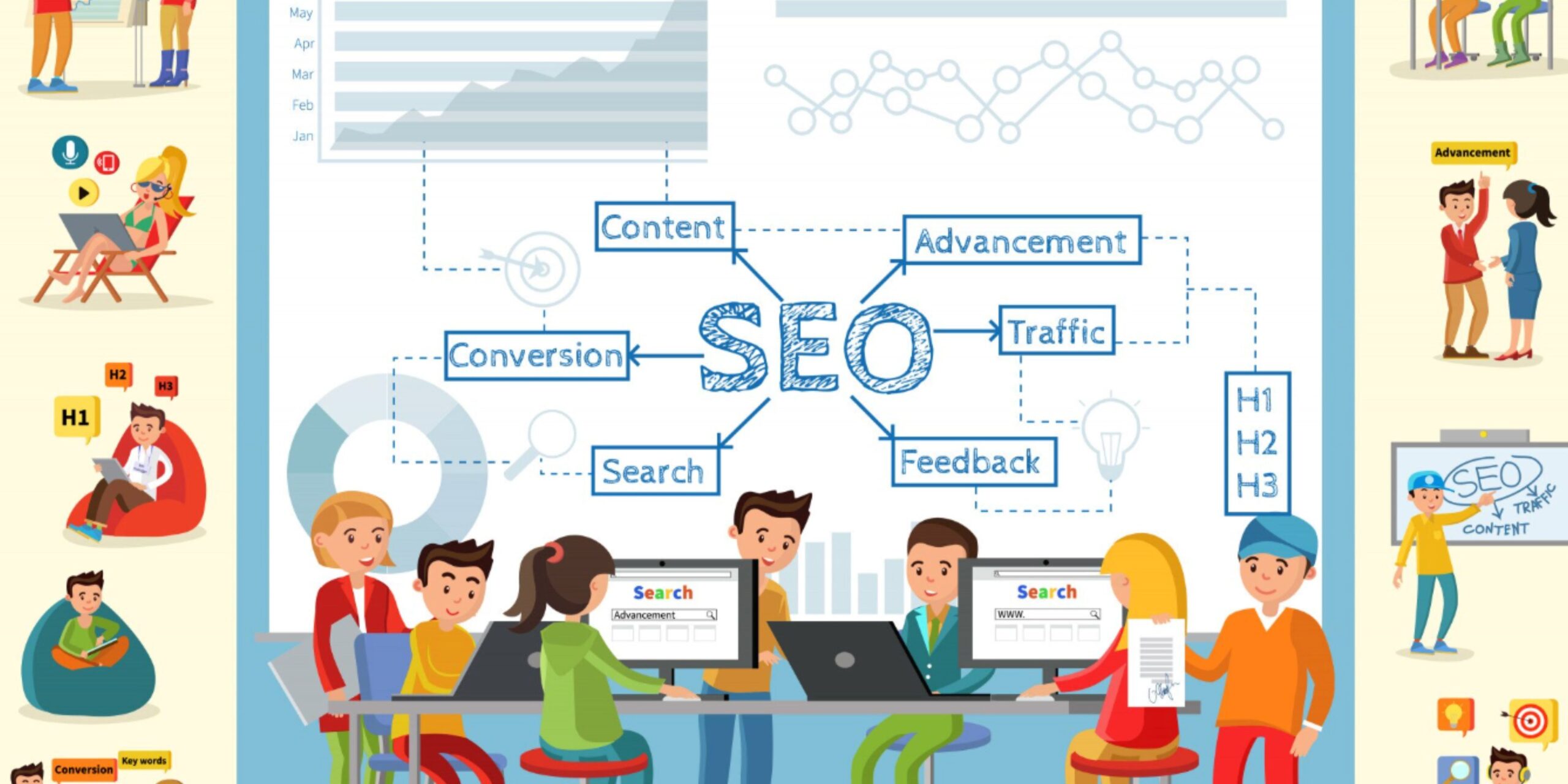

As businesses grow, reaching more customers online gets harder. Effective online visibility is key to success. It helps you find new customers and stay ahead.
For companies with multiple locations or features, SEO is vital. It boosts visibility and drives more traffic. SEO-focused businesses attract and keep customers better in a busy market.
SEO helps businesses show up online easier. This makes it simpler for people to find you. We’ll show you how to succeed with SEO for complex SaaS products.
Key Takeaways
- Understand the importance of SEO for multi-location or multi-feature SaaS products.
- Learn how to optimize your product’s online presence.
- Discover strategies for improving visibility in search engine results.
- Explore techniques for driving more traffic to your SaaS product.
- Implement a tailored SEO strategy to suit your business needs.
Understanding Multi-Feature SaaS SEO
In the competitive world of SaaS, knowing about multi-feature SaaS SEO is key for growth. It’s important to understand the basics of multi-feature SaaS and its SEO impact.
What is Multi-Feature SaaS?
Multi-feature SaaS offers many features to meet different user needs. These products are versatile and serve various industries. For example, a project management SaaS might have features like task assignment and team collaboration.
Key characteristics of multi-feature SaaS include:
- Multiple functionalities
- Customizable to suit different user roles
- Scalable to accommodate growing user bases
- Regularly updated with new features and improvements
As HubSpot points out, “The more features your SaaS product has, the more complex its SEO needs become.” This complexity requires a detailed SEO strategy.
The Importance of SEO for SaaS Products
SEO is essential for SaaS products as it boosts their visibility in search results. This drives organic traffic and attracts customers. For multi-feature SaaS, SEO is even more critical due to their complex offerings.
“SEO is not just about ranking higher; it’s about being visible to the right audience at the right time.” -Moz
Effective SEO for multi-feature SaaS involves:
- Understanding the target audience and their search behaviors
- Optimizing product pages and features for relevant keywords
- Creating high-quality, informative content that addresses user needs
- Ensuring a seamless user experience across the website
| SEO Benefit | Description | Impact on Multi-Feature SaaS |
|---|---|---|
| Increased Visibility | Higher rankings in search engine results | More customers discover the product |
| Targeted Traffic | Attracting users searching for specific features | Higher quality leads due to relevance |
| Competitive Advantage | Outperforming competitors in search results | Establishes the SaaS as a market leader |
By grasping the complexities of multi-feature SaaS and the role of SEO, businesses can craft targeted strategies. These strategies can improve their online presence and attract more users.
Key Components of SEO for SaaS
SEO for SaaS products relies on three main areas: on-page, technical, and off-page SEO. Mastering these is key to boosting your SaaS’s online presence and attracting more visitors.
On-Page SEO Essentials
On-page SEO makes your web pages more search engine friendly. For SaaS, this means:
- Optimizing feature pages with the right keywords, like feature page SEO, to rank better.
- Creating catchy title tags that match the page’s content.
- Writing meta descriptions that make users want to click.
- Using header tags (H1, H2, H3) to organize content and highlight important points.
Technical SEO Considerations
Technical SEO ensures your site is easy for search engines to crawl and understand. Important aspects include:
- Making sure your site works well on mobile devices, as this is now a key factor.
- Speeding up your site, as slow sites can harm user experience and rankings.
- Using SSL encryption to secure your site and protect user data.
- Creating an XML sitemap to help search engines navigate your site.
Off-Page SEO Strategies
Off-page SEO focuses on activities outside your site that affect your rankings. For SaaS, effective strategies include:
- Getting high-quality backlinks from respected sites in your field.
- Using social media to boost traffic and visibility.
- Encouraging customers to leave reviews and testimonials on your site or other platforms.
Here’s a comparison of SEO metrics for SaaS products before and after optimization:
| SEO Component | Pre-Optimization | Post-Optimization |
|---|---|---|
| Organic Traffic | 1,000 | 5,000 |
| Keyword Rankings | Average Position 50 | Average Position 10 |
| Conversion Rate | 2% | 5% |
Building a Solid Keyword Strategy
Effective SEO for SaaS products starts with knowing the right keywords. A well-thought-out keyword strategy is key to success. It helps SaaS companies find their target audience more easily.
Researching SEO Keywords for SaaS
Figuring out the right keywords means understanding what your audience searches for. It’s about finding the terms they use when looking for solutions like yours. Using keyword research tools makes this easier.
Some top keyword research tools include:
- Ahrefs
- SEMrush
- Moz Keyword Explorer
These tools give you insights into search volume, competition, and related keywords. They help you make smart choices for your keyword strategy.
“The key to a successful keyword strategy is not just about identifying high-volume search terms but understanding the intent behind those searches.”Rand Fishkin, Co-founder of Moz
Utilizing Long-Tail Keywords
Long-tail keywords are specific phrases with lower search volumes. They are less competitive and more targeted to your product or service. Using long-tail keywords can lead to higher conversion rates because they match specific search queries.
For example, instead of targeting “project management software,” a SaaS company might aim for “project management software for remote teams.” This long-tail keyword is more specific and less competitive, making it easier to rank for.
| Keyword Type | Example | Search Volume | Competition Level |
|---|---|---|---|
| Short-tail | Project management software | High | High |
| Long-tail | Project management software for remote teams | Medium | Low |
By mixing short-tail and long-tail keywords in your SEO strategy, you can boost your visibility. This attracts more targeted traffic to your site.
Structuring Your SaaS Website
For SaaS products, a clear website structure is key for better user experience and SEO. A well-organized site helps search engines understand your content. This makes it easier for users to find your product.
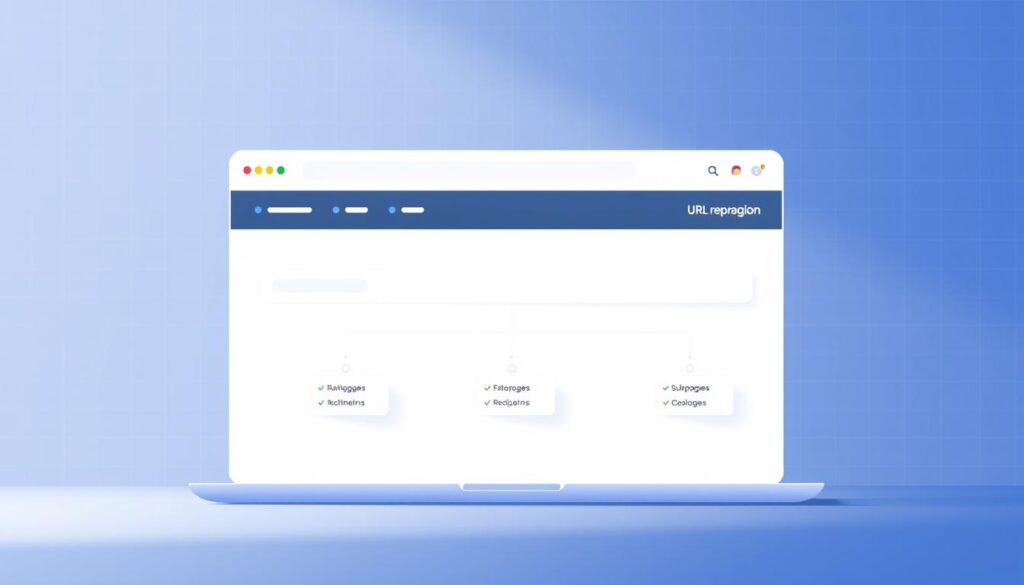
Crafting a Logical URL Hierarchy
A logical URL hierarchy is vital for organizing your website’s content. It makes it easy for users and search engines to navigate. You should create a clear and consistent URL structure that mirrors your content’s organization.
To achieve this, we recommend:
- Using descriptive and concise URLs that include target keywords.
- Avoiding unnecessary characters and numbers in URLs.
- Organizing content into categories and subcategories that are reflected in the URL structure.
Importance of Internal Linking
Internal linking is a key part of a well-structured website. It helps search engines understand your content’s hierarchy. It also improves user navigation by guiding visitors to related content.
Effective internal linking strategies include:
- Linking to relevant and related content within your website.
- Using descriptive anchor text for links.
- Avoiding over-linking, which can dilute the importance of key pages.
By using a logical URL hierarchy and effective internal linking, we can boost our SaaS website’s SEO and user experience.
Content Marketing for SaaS SEO
To boost SaaS SEO, a solid content marketing plan is key. Content marketing not only brings in more visitors but also makes your SaaS product more visible online.
Types of Content That Drive Traffic
Choosing the right content is vital for drawing in customers. For SaaS products, blog posts, guides, and case studies work best. They help show your brand as a leader in your field.
Other content types that can attract visitors include:
- Infographics with important stats or trends
- Webinars on topics related to your SaaS product
- Customer testimonials and success stories
- Comparative analyses with rival products
Best Practices for Blog Posts
For blog posts, remember a few key tips. First, focus on providing value to your readers. Make sure your content is informative, well-researched, and meets your audience’s needs or solves their problems.
Other best practices include:
- Optimize your blog posts with relevant keywords, like “SaaS product SEO” and “multi-feature SaaS SEO”
- Use catchy headlines and meta descriptions
- Add internal and external links to boost credibility
- Keep your blog fresh with new content to keep your audience interested
By sticking to these tips and creating the right content, you can greatly enhance your SaaS SEO. This will help drive more traffic to your site.
Focusing on Local SEO for Multi-Location SaaS
For SaaS products with multiple locations, local SEO is key. It helps you reach more people and get noticed. You have to make your SEO fit different places or needs.
Understanding Local SEO Basics
Local SEO makes your online presence better for local searches. For SaaS with many locations, you need to make your site and content better for local searches. This means you’ll rank higher in search results for local queries.
To start with local SEO, do the following:
- Claim and optimize your Google My Business listing
- Make sure your business’s name, address, and phone number (NAP) are the same everywhere
- Use local keywords in your content
Creating Location-Specific Content
Creating content for specific locations is vital for local customers. This includes:
- Writing about local events or news in your field
- Creating pages for each location
- Using local words and phrases in your content
Here’s how to organize your location-specific content:
| Location | Content Type | Keywords |
|---|---|---|
| New York | Landing Page | “SaaS solutions New York”, “NYC SaaS company” |
| Los Angeles | Blog Post | “LA SaaS trends”, “SaaS industry Los Angeles” |
By focusing on local SEO and making content for each location, SaaS businesses can get more online visibility. This leads to more local visitors and higher sales.
Optimizing for User Experience
To make SaaS products successful, focusing on user experience is key. This means improving site speed and making sure the site works well on mobile devices. A well-optimized SaaS product makes users happy and helps it show up better in search results.
Importance of Site Speed
Site speed is very important for user happiness. A slow site can make people leave quickly and hurt sales. Google says site speed matters for ranking, so it’s important for SEO too.
To make your site faster, try these:
- Optimize images to reduce file size
- Leverage browser caching
- Minify CSS and JavaScript files
- Use a content delivery network (CDN)
Mobile Optimization Strategies
Most people use mobile devices to access SaaS products. A mobile-friendly design makes sure your SaaS works well on all devices.
Good mobile strategies include:
- Implementing responsive design
- Simplifying navigation for smaller screens
- Optimizing content for mobile consumption
Leveraging SEO Tools for SaaS
In the competitive world of SaaS, using the best SEO tools is key to success. As we work to optimize our SaaS products, the right tools can greatly boost our efforts.

Top SEO Tools We Recommend
To manage and improve our SaaS product’s SEO, we need a mix of tools. These tools should give us deep insights and help us with various tasks. Some top tools include:
- Ahrefs: For backlink analysis, keyword research, and competitor analysis.
- SEMrush: Offers technical SEO audits, keyword tracking, and competitor insights.
- Moz: Provides keyword research, link building, and content optimization recommendations.
- Google Search Console: Essential for monitoring our website’s search presence and identifying areas for improvement.
These tools help us see how well our SEO is doing. They show us where we can improve and guide us to make better choices for our SaaS product’s visibility.
Analyzing SEO Performance
Understanding our SEO performance is vital. By using the data from our recommended tools, we can track important metrics. This includes organic traffic, keyword rankings, and backlink growth.
Key Performance Indicators (KPIs) to Monitor:
- Organic traffic growth
- Keyword ranking improvements
- Backlink acquisition rate
- Technical SEO health
By checking these KPIs often, we can make our SEO strategy better. We can fix problems and find new chances to boost our SaaS product’s online presence.
For example, Ahrefs lets us keep an eye on our backlinks and find new link building chances. SEMrush helps us check our technical SEO and find what needs fixing.
Using Data Analytics for SEO Improvement
To stay ahead in the competitive SaaS market, using data analytics is key. It helps us optimize our SEO strategies. We can learn a lot about user behavior, content performance, and how well our SEO works.
Tracking Key Performance Indicators (KPIs)
It’s important to track the right KPIs to see how our SEO strategies are doing. We should watch:
- Organic traffic
- Search engine rankings
- Conversion rates
- Bounce rates
- Average session duration
By keeping an eye on these KPIs, we can spot where we need to get better. Then, we can tweak our strategies.
| KPI | Description | Importance |
|---|---|---|
| Organic Traffic | The number of visitors coming from search engines | High |
| Conversion Rates | The percentage of visitors completing a desired action | High |
| Bounce Rates | The percentage of visitors leaving the site without interacting | Medium |
Adjusting Strategies Based on Data
After we’ve looked at our data, we can make smart choices to boost our SEO. This might mean:
- Improving content that’s not doing well
- Targeting better keywords
- Making the user experience better
- Working on technical SEO
By always checking our KPIs and tweaking our plans, we can get better SEO results. This helps our SaaS product show up more in searches.
Data-driven decision-making is key to good SEO. With data analytics, we make sure our SEO plans work well and meet our business goals.
Building Engaging SaaS Landing Pages
To get more conversions, SaaS companies need to make their landing pages engaging. A good landing page grabs the attention of possible customers. It also guides them through the sales process.
Elements of a High-Converting Landing Page
A top-performing landing page has a few key parts. Clear and concise headlines are vital for showing what your SaaS product offers. Also, compelling visuals like images or videos can draw visitors in. They help show how your product benefits them.
Other key parts include:
- A clear call-to-action (CTA) that tells visitors what to do next
- Social proof, like customer testimonials, to build trust
- A simple form to get visitor info
A/B Testing for Optimization
A/B testing, or split testing, is key for landing page optimization. It lets you see which page versions work best. This way, you can find out what drives more conversions.
Some areas to test are:
- The headline and CTAs to see which ones work better
- Different visuals, like images or videos, to see which engage more
- The page’s layout and design to find the best setup
By always testing and tweaking your landing pages, you can make them better. This will help your SaaS product get more conversions.
Social Media’s Role in SaaS SEO
Social media is key in the SaaS world for SEO success. It helps drive website traffic and connect with your audience better.
Driving Traffic Through Social Platforms
Social media is a big chance for SaaS companies to be seen online. By posting valuable content, you can draw in new customers and get more website visits. Here’s how:
- Share blog posts that solve problems or talk about trends
- Use hashtags to make your content easier to find
- Work with influencers to reach more people
Also, social media ads can bring in targeted visitors. Use Facebook, LinkedIn, and Twitter to find users who might be interested in what you offer.
Engaging with Your Audience
On social media, it’s important to listen and respond to your audience. It’s not just about sharing your stuff. Here’s how to do it right:
- Always reply to comments and messages quickly and personally
- Make content that gets people talking, like polls or quizzes
- Share content from your followers to build a community
By talking to your audience, you can build loyalty and get more people talking about your brand. This helps your SEO a lot.
| Social Media Platform | Primary Use for SaaS SEO | Engagement Strategy |
|---|---|---|
| Targeted Advertising | Use Facebook Groups to engage with your community | |
| Professional Networking | Publish thought leadership articles to establish authority | |
| Real-time Engagement | Utilize Twitter Chats to participate in industry discussions |
Adding social media to your SEO plan can boost your online presence and bring more visitors to your SaaS product. The secret is to stay consistent, be engaging, and listen to what your audience wants.
Addressing SEO Challenges for SaaS
Multi-feature SaaS products face unique SEO challenges. They need tailored strategies to overcome these. It’s key to spot common pitfalls and find effective solutions.
Common SEO Pitfalls to Avoid
Several SEO challenges can hurt multi-feature SaaS products. These include:
- Duplicate Content: Multiple features can lead to duplicate content issues if not managed properly.
- Complex URL Structures: Deep or complex URL hierarchies can make it difficult for search engines to crawl and index pages.
- Lack of Localized Content: For multi-location SaaS, failing to create location-specific content can negatively impact local SEO.
To show the impact of these pitfalls, consider the table below:
| SEO Pitfall | Impact on SaaS SEO | Mitigation Strategy |
|---|---|---|
| Duplicate Content | Reduced search engine rankings due to perceived duplication. | Implement canonical URLs or consolidate content. |
| Complex URL Structures | Difficulty in crawling and indexing, leading to reduced visibility. | Simplify URL structures and use internal linking. |
| Lack of Localized Content | Poor local SEO performance, missing out on location-based searches. | Create location-specific content and optimize for local keywords. |
Strategies for Overcoming These Challenges
To beat these SEO challenges, SaaS companies can use several strategies:
- Content Consolidation: Merge similar content to avoid duplication and strengthen relevance.
- Simplified URL Hierarchy: Organize URLs to facilitate easier crawling and indexing.
- Localized SEO Efforts: Develop content tailored to specific locations to enhance local search visibility.
By understanding these challenges and using the right strategies, SaaS companies can boost their SEO. This helps them stay competitive.

Keeping Up with SEO Trends
To stay ahead, it’s vital to keep up with SEO trends. The digital world is always changing, and SEO is no different. Keeping informed is essential for success in feature page SEO and SaaS localization SEO.
Importance of Staying Updated
Being updated with SEO trends helps us adjust our strategies. This is critical for SaaS products with multiple locations or features. A strong SEO plan can greatly boost visibility and sales.
- Improve our feature page SEO, making our product features more discoverable.
- Enhance our SaaS localization SEO, ensuring that our product is optimized for different regions and languages.
- Stay ahead of competitors by adopting new SEO techniques and technologies.
Resources for Continuous Learning
To stay updated, we use various resources. Here are some we find very helpful:
- SEO Blogs and Websites: Sites like Moz, Ahrefs, and SEMrush share the latest SEO insights.
- Industry Conferences: Going to conferences and webinars keeps us in the loop and lets us meet others in the field.
- Online Courses: Platforms like Coursera and Udemy offer SEO and digital marketing courses to deepen our knowledge.
| Resource | Description | Benefit |
|---|---|---|
| Moz SEO Blog | Provides insights into SEO best practices and trends. | Stay updated on the latest SEO strategies. |
| Ahrefs Blog | Offers in-depth guides on SEO and content marketing. | Improve content marketing and SEO skills. |
| SEMrush Blog | Covers SEO, PPC, and content marketing topics. | Enhance overall digital marketing knowledge. |
Implementing Continuous SEO Audits
Regular SEO audits are key for keeping your online presence strong. They help spot areas for betterment, making sure your site is search engine-friendly.
Frequency and Importance of Audits
Doing SEO audits every three months keeps you ahead in SEO performance. It lets you fix problems before they hurt your rankings. Regular checks also keep your site organized, better for users, and boost your SEO plan.
Tools for Conducting Audits
Choosing the right tools is vital for good SEO audits. Ahrefs, SEMrush, and Moz give deep insights into your site’s SEO health. They help find technical issues, track keyword positions, and check backlinks. Using these tools sharpens your SaaS SEO strategies, leading to better outcomes.
FAQ
What is multi-feature SaaS, and why is SEO important for it?
Multi-feature SaaS offers many features to users. SEO boosts its online presence, bringing in more visitors and users.
How do I research the right keywords for my SaaS product?
We use tools to find the right keywords. We focus on long-tail keywords for less competition and better results.
What is the importance of internal linking for SaaS websites?
Internal linking helps users find their way around. It also boosts SEO by spreading link value, making it easier for search engines to find and index pages.
How can I optimize my SaaS website for local SEO?
For local SEO, we create content for specific locations. We use location-based keywords and list our site in local directories.
What are the benefits of site speed and mobile optimization for SaaS products?
Faster site speed and mobile optimization improve user experience. They also help our SEO by reducing bounce rates and being favored by search engines.
How can I analyze my SEO performance using SEO tools?
We track keyword rankings, backlinks, and website traffic with SEO tools. This gives us insights to improve our SEO strategies.
What are the elements of a high-converting landing page?
A great landing page has a clear call-to-action and relevant content. It’s also designed for a good user experience, helping us meet our business goals.
How can social media drive traffic to my SaaS product?
Social media helps by sharing our content and engaging with our audience. It builds our brand presence online, driving traffic to our SaaS product.
What are common SEO challenges for SaaS products, and how can we overcome them?
SEO challenges include keyword competition, technical issues, and content quality. We stay updated, use the right tools, and create engaging content to overcome these.
How often should I conduct SEO audits for my SaaS product?
Regular SEO audits are key to a strong SEO presence. We recommend doing them at least quarterly to fix issues and adjust strategies based on new data.
What is feature page SEO, and how does it apply to multi-feature SaaS?
Feature page SEO optimizes each feature page for search engines. For multi-feature SaaS, it means improving each page to attract more traffic and increase visibility.
How does multi-feature SaaS SEO differ from traditional SEO?
Multi-feature SaaS SEO needs a detailed approach. We optimize multiple pages and align our content with various features and user needs.
What role does SaaS localization SEO play in our overall SEO strategy?
SaaS localization SEO adapts our strategy for different regions and languages. It helps us reach more people and improve our global presence.