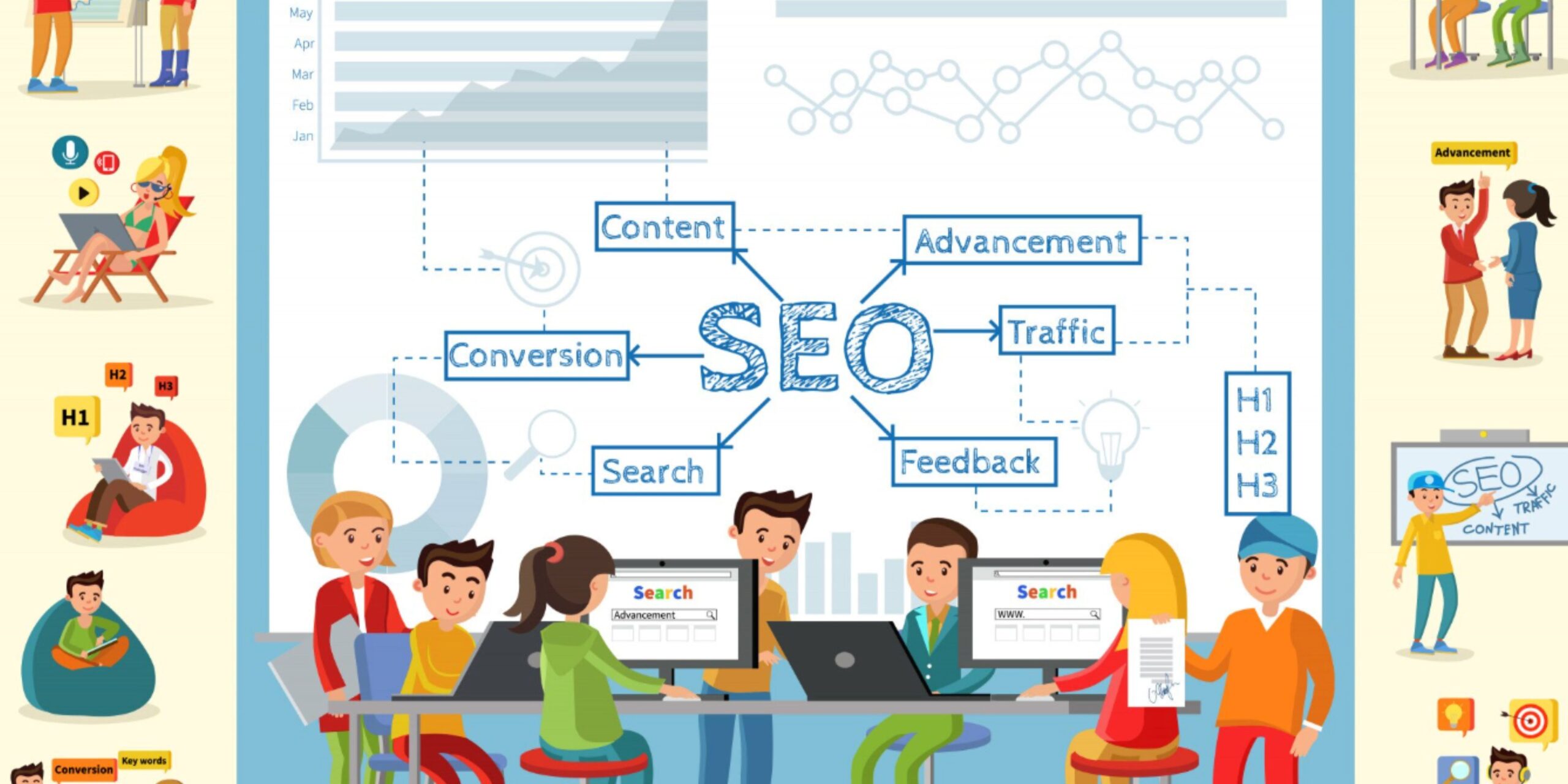

What Are Content Pillars in the Context of SaaS SEO?
SaaS content pillars are comprehensive, high-level pages built around core product themes, customer problems, or use cases. These pillars act as central hubs that organize related content and guide search engines through topical relevance.
A well-structured content strategy SaaS teams use relies on pillars to support scale without fragmenting authority.
- Focus on broad, high-intent topics aligned with business goals.
- Act as anchors for related educational and product-led content.
- Enable consistent expansion without diluting relevance.
How SaaS Content Pillars Support Long-Term SEO for SaaS
SaaS content pillars strengthen long-term seo for SaaS by creating clear topical relationships. When supported by SaaS topic clusters, they improve crawlability, internal linking, and keyword coverage.
This structure helps search engines understand expertise while guiding users through logical content paths.
- Improves topical authority and indexation.
- Supports multiple buyer journey stages.
- Reduces keyword cannibalization and content overlap.
Choosing Core Pillars Around Problems, Use Cases, and Features
Strong SaaS content pillars are built by connecting real customer problems, product use cases, and features to clear search intent.
Mapping Customer Pain Points to Content Strategy SaaS
Effective SaaS content pillars start with understanding customer challenges at each funnel stage. Content should answer real questions users search for before product adoption.
- Identify recurring problems from sales calls, support tickets, and onboarding data
- Group related queries into structured SaaS topic clusters.
- Create educational content that supports early-stage discovery.
- Ensure each pillar addresses a core business problem.
This approach strengthens seo for SaaS by aligning content with user intent, not assumptions.
Aligning Product Features with High-Intent SaaS Searches
Product features should map directly to searches with clear buying signals. This improves relevance and conversions.
- Match feature benefits to problem-based queries.
- Target mid- and bottom-funnel keywords within clusters.
- Use feature pages as conversion-focused pillar assets.
- Maintain consistency across product messaging and content strategy SaaS.
This alignment helps content drive qualified organic traffic efficiently.
Building Supporting Cluster Content Around Each Pillar
Supporting cluster content expands SaaS content pillars by addressing search intent depth, strengthening topical authority, and improving organic visibility across funnel stages.
Structuring SaaS Topic Clusters Across Funnel Stages
Effective SaaS topic clusters align content with user intent at each stage of the funnel. Top-of-funnel content focuses on problem awareness and education. Middle-of-funnel content explains solutions and use cases. Bottom-of-funnel pages address comparisons and buying decisions.
Each cluster links back to core SaaS content pillars. This structure improves crawlability and relevance. It also supports Saas SEO by guiding users logically from discovery to conversion. Consistent internal linking reinforces authority and improves rankings.
- Balancing Educational – Focus on guides and explainers that solve problems. This builds trust and supports early-stage discovery within a strong content strategy SaaS framework.
- Product-Led – Show how features solve real use cases. This connects SaaS content pillars to activation and trial-driven engagement.
- Comparison Content – Create neutral comparisons and alternatives. This captures high-intent traffic and supports decision-stage seo for SaaS users.
Internal Linking Strategies for Stronger Topical Authority
Internal linking strengthens topical authority by helping search engines understand relationships between SaaS content pillars, supporting scalable visibility and structured SaaS SEO.
Connecting Pillar and Cluster Pages for SEO Clarity
- Each pillar page should act as the central hub within SaaS content pillars. Link all relevant SaaS topic clusters back to the pillar using descriptive anchor text. This clarifies topical depth for search engines, improves crawl efficiency, and distributes authority across related pages while aligning with an intent-driven content strategy SaaS.
- Cluster pages should also interlink where intent overlaps. Strategic lateral links help reinforce semantic relationships within SaaS topic clusters. This structure signals subject expertise, supports user navigation, and improves engagement metrics that indirectly strengthen SaaS SEO performance.
Avoiding Internal Linking Gaps in SaaS Content Architectures
- Regularly audit internal links to identify orphaned pages within SaaS content pillars and ensure every page supports a defined cluster.
- Avoid excessive linking to unrelated pages. Keep links contextually aligned with seo for SaaS intent and content relevance.
- Update internal links as products evolve to maintain alignment with the broader content strategy SaaS.
Keyword Research Methods for SaaS Topic Clusters
Effective keyword research ensures SaaS topic clusters align with user intent and strengthen SaaS content pillars for sustainable organic visibility.
Identifying Cluster Keywords with Shared Intent
Building strong SaaS content pillars starts with grouping keywords by intent, not volume alone. Keywords within a cluster should answer related questions across the same problem space. This supports clearer relevance for search engines and users.
- Group keywords by informational, commercial, and product-led intent.
- Map clusters to specific pages within SaaS topic clusters.
- Avoid overlapping intent across multiple pillar pages.
Shared intent improves crawl efficiency and strengthens seo for SaaS by clarifying topical focus.
Using Keyword Relationships to Expand SaaS Content Pillars
Keyword relationships help expand SaaS content pillars without diluting relevance. Related queries, modifiers, and feature-based searches extend coverage naturally.
- Use parent and child keyword structures.
- Connect feature keywords to use-case content.
- Align expansion with overall content strategy SaaS.
This approach builds depth, authority, and long-term organic growth.
Content Formats That Work Best for SaaS Pillars
Selecting the right content formats ensures SaaS content pillars educate, engage, and convert users consistently across different buyer stages.
Choosing Formats Based on Buyer Awareness Stages
Effective SaaS content pillars align formats with user intent at each awareness stage. Early-stage users need clarity and education, while later stages require proof and validation.
- Awareness stage – Blogs, guides, and explainers support seo for SaaS discovery.
- Consideration stage – Use cases, comparison pages, and solution briefs build trust.
- Decision stage – Case studies, demos, and pricing explainers drive conversions.
Matching formats to intent strengthens engagement and improves topic relevance within SaaS topic clusters.
Repurposing Pillar Content Across Multiple Cluster Assets
A strong content strategy SaaS maximizes reach by repurposing pillar content. Core ideas can be adapted without duplication.
- Convert pillar guides into cluster blogs and FAQs.
- Extract insights for landing pages and onboarding content.
- Update clusters as products evolve to maintain accuracy.
This approach improves efficiency and maintains consistency across SaaS content ecosystems.
Measuring Performance of SaaS Content Pillars
Measuring performance ensures SaaS content pillars deliver measurable SEO impact, support scalable growth, and strengthen long-term visibility across competitive search landscapes.
- Monitor keyword performance across clusters – Track primary and secondary keyword rankings linked to SaaS content pillars. Measure visibility changes across supporting SaaS topic clusters. Consistent upward movement indicates strong alignment between search intent, content depth, and seo for SaaS execution.
- Evaluate engagement signals for content quality – Review metrics such as time on page, scroll depth, and bounce rate. Strong engagement confirms the content strategy SaaS addresses user needs and keeps visitors exploring related cluster pages.
- Attribute assisted conversions to pillar content – Analyze multi-touch attribution to identify how pillar and cluster pages support trials, demos, or sign-ups. This highlights indirect revenue influence beyond last-click conversions.
Evaluating Topical Authority Growth in SEO for SaaS
Topical authority grows when SaaS content pillars comprehensively cover a subject through well-linked clusters. Measure increases in ranking breadth, keyword overlap, and internal link equity. Monitor how new cluster pages rank faster over time. Improved crawl frequency and consistent visibility gains indicate stronger authority within seo for SaaS ecosystems.
Scaling SaaS Topic Clusters Without Losing Focus
Scaling SaaS topic clusters requires structure, governance, and intent alignment to expand coverage without diluting topical authority or search relevance.
- Anchor expansion to core SaaS content pillars to maintain clear topical boundaries and consistent search intent alignment.
- Use intent mapping to decide whether new topics support awareness, consideration, or product-led discovery within your content strategy SaaS.
- Expand clusters horizontally before creating new pillars. This strengthens depth and improves authority signals in seo for SaaS.
- Apply strict keyword qualification rules. Avoid topics that do not directly support product use cases or customer problems.
- Maintain a standardized content framework for all cluster pages, including structure, internal links, and conversion paths.
- Regularly audit existing SaaS topic clusters to identify overlap, cannibalization, or outdated content.
- Use internal linking hierarchies that reinforce the pillar as the central authority while distributing relevance efficiently.
- Assign clear ownership and editorial guidelines to prevent unfocused content creation as teams scale.
Build scalable SaaS content pillars with Search Engine Monkey to improve topical authority, rankings, and revenue-driven organic growth.
FAQs
How many content pillars should a SaaS site have?
Most SaaS sites perform well with three to five SaaS content pillars, aligned to core use cases, buyer problems, and scalable SaaS topic clusters within a focused content strategy SaaS.
What’s the difference between a pillar page and a landing page?
A pillar page supports seo for SaaS by organizing topic clusters, while a landing page focuses on conversions, campaigns, or product signups with limited internal linking.