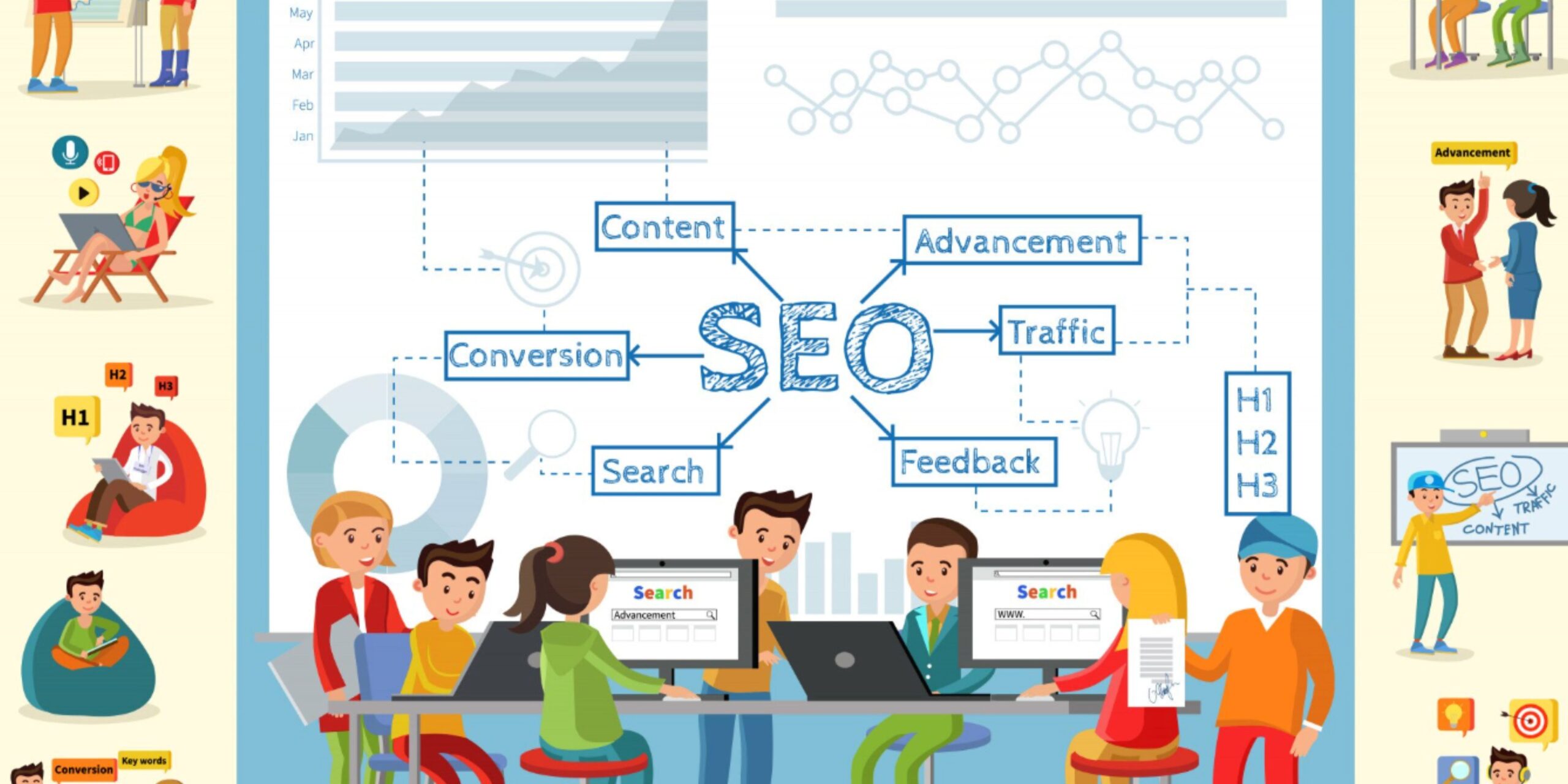

A constructive b2b SaaS content strategy connects organic traffic to sales outcomes. It aligns b2b SaaS SEO, SEO content for SaaS, and SaaS content marketing with buyer intent, enabling teams to convert visibility into qualified sales opportunities consistently and predictably.
Mapping Content Types to Each Stage of the Funnel
Aligning content with funnel stages ensures a structured b2b SaaS content strategy that converts traffic into sales-qualified leads.
TOFU, MOFU, BOFU Content Roles
TOFU Content Role
Top-of-funnel content builds awareness by addressing broad industry problems. It supports b2b SaaS SEO through educational blogs, guides, and explainers targeting early-stage searches.
MOFU Content Role
Middle-funnel content supports evaluation by comparing solutions and approaches. It uses SEO content for SaaS such as use cases, webinars, and solution pages to nurture intent.
BOFU Content Role
Bottom-funnel content focuses on conversion. It includes case studies, product comparisons, and demos that directly support revenue goals within a b2b SaaS content strategy.
Matching Content to Intent
Content formats must align with buyer intent across funnel stages. Awareness-stage users prefer educational articles and trend reports. Consideration-stage buyers engage with comparison guides, playbooks, and detailed use cases. Decision-stage prospects respond to proof-driven assets.
- Use blogs and glossaries for awareness
- Use solution pages and guides for consideration
- Use case studies and demos for decision
This will strengthen SaaS content marketing without disrupting buyer experience.
Creating Good-Objective Content for Sales-Ready Accounts
Creating Good-Objective Content for Sales-Ready Accounts focuses on guiding high-intent buyers toward evaluation actions while supporting revenue goals within a structured content framework.
Purchase Intent Signals in SEO Content
Identifying sales-ready users is central to an effective b2b SaaS content strategy. Content should be aligned with intent indicators rather than broad awareness metrics.
- Searches around comparisons, alternatives, pricing, and implementation.
- Engagement with solution pages, case studies, and integration documentation.
- Repeat visits from the same accounts, indicating active evaluation.
In b2b SaaS SEO, these signals help prioritize topics that attract decision-makers. SEO content for SaaS must map directly to buyer questions during evaluation, not generic education.
Purchase Intent Signals in SEO Content
Identifying sales-ready users is central to an effective b2b SaaS content strategy. Content should be aligned with intent indicators rather than broad awareness metrics.
- Searches around comparisons, alternatives, pricing, and implementation.
- Engagement with solution pages, case studies, and integration documentation.
- Repeat visits from the same accounts, indicating active evaluation.
In b2b SaaS SEO, these signals help prioritize topics that attract decision-makers. SEO content for SaaS must map directly to buyer questions during evaluation, not generic education.
Using Case Studies, Comparisons and Playbooks as SEO Assets
These assets convert organic traffic into SQLs by aligning b2b SaaS content strategy with buyer proof, intent, and decision-stage search behavior.
Proof Builds Trust
Proof-based content strengthens credibility and accelerates decisions in competitive SaaS markets.
- Case studies show real outcomes, metrics, and implementation clarity.
- Comparison pages address vendor evaluation searches common in b2b SaaS SEO.
- Playbooks demonstrate expertise and process maturity.
- This content supports high-intent queries and improves conversion rates.
- Sales teams reuse these assets to reinforce trust during late-stage discussions.
Scalable Asset Structure
Long-form assets must be structured for consistency and reuse across SaaS content marketing efforts.
- Use clear templates for case studies, comparisons, and playbooks.
- Apply modular sections to support internal linking and updates.
- Optimize headings for SEO content for SaaS without over-optimization.
- Include contextual CTAs aligned with the funnel stage.
- Repurpose assets into blogs, landing pages, and sales enablement content.
Aligning SEO Content with SDR and AE Teams
Aligning SEO content with SDR and AE teams ensures organic traffic supports sales conversations and accelerates SQL generation across the funnel.
Sales and SEO Alignment
- A strong b2b SaaS content strategy requires shared goals between marketing and sales.
- SDRs and AEs should define common buyer objections and qualification criteria.
- SEO content must reflect real sales conversations and deal blockers.
Content for Sales Enablement
- Use SEO content for SaaS to support outreach, follow-ups, and discovery calls.
- Create assets such as comparison pages, implementation guides, and objection-handling content.
- Ensure content answers questions prospects raise during demos.
Keyword Feedback Loop
- Share keyword insights from b2b SaaS SEO with SDR and AE teams.
- Use sales call data to refine content topics and search intent mapping.
- Update content based on deal-stage feedback.
Distribution and Usage
- Train SDRs and AEs on how to use SaaS content marketing assets.
- Track content influence on meetings, SQLs, and pipeline progression.
Keyword and Topic Research for Revenue-Focused SaaS Content
Revenue-focused keyword and topic research ensures a B2B SaaS content strategy attracts decision-makers who convert into qualified sales leads.
Keywords That Drive SQLs
- Focus on keywords tied to buying signals, not only volume.
- Prioritize problem-aware and solution-aware searches over generic education terms.
- Use CRM and sales data to identify queries linked to closed deals.
- Evaluate keywords by funnel stage, deal size, and sales cycle impact.
- Support demos, trials, pricing, comparisons, and integration-related queries.
- Align SEO content for SaaS with real sales objections and questions.
- Avoid vanity traffic that does not support pipeline or revenue.
Intent-Based Topic Mapping
- Group keywords by commercial intent, not just topical similarity.
- Map topics to awareness, consideration, and decision stages.
- Build clusters that support product evaluation and buying readiness.
- Strengthen b2b SaaS SEO by connecting content to use cases and roles.
- Ensure each topic supports one clear conversion action.
- Use internal linking to guide readers toward high-intent assets.
- This approach improves consistency across SaaS content marketing efforts.
Optimizing Content for Conversion Without Hurting SEO
Optimizing content requires aligning UX, CTAs, and intent within a b2b SaaS content strategy, ensuring b2b SaaS SEO strength while converting users through structured SEO content for SaaS marketing-driven execution.
- Balancing UX – Design pages with clear hierarchy and fast load times. Strong UX improves engagement signals that support b2b SaaS SEO without disrupting crawlability or indexing.
- CTAs – Place CTAs contextually after value delivery. Avoid aggressive placements that interrupt reading flow or reduce dwell time for SEO content for SaaS pages.
- Organic Visibility – Use internal linking and semantic headings carefully. They guide users and search engines while supporting conversion paths within scalable SaaS content marketing systems.
Gated vs Ungated Content Practices
- Ungated content should target discovery and education. Use it to rank, attract demand, and build topical authority within a b2b SaaS content strategy.
- Gate only high-intent assets like playbooks or benchmarks. Ensure landing pages remain indexable and optimized for b2b SaaS SEO.
- Minimize form friction. Ask fewer fields and align gating with the funnel stage to protect organic performance and conversion rates simultaneously.
Measuring Content Performance Beyond Traffic Metrics
Tracking MQLs, SQLs, and Pipeline Influence
- Track how content-assisted sessions convert into MQLs by mapping form fills, demo requests, and trial signups to specific assets within b2b SaaS SEO workflows.
- Measure SQL contribution by attributing sales-qualified leads to content touchpoints across the funnel using CRM and analytics integration aligned with SaaS content marketing goals.
- Analyze pipeline influence by identifying content consumed before deal creation, expansion, or closure to understand which assets support revenue progression most effectively.
Connecting SEO Content for SaaS to Revenue Outcomes
- Integrate SEO platforms with CRM systems to connect SEO content for SaaS directly to opportunities, deal value, and closed revenue.
- Use multi-touch attribution to assess how content supports long sales cycles common in b2b SaaS SEO.
- Segment performance by content type, intent stage, and target account.
- Report outcomes in revenue terms to guide prioritization within the broader b2b SaaS content strategy.
Scaling a B2B SaaS Content Strategy with Consistency
Scaling content requires structured systems, not volume. Consistency ensures a B2B SaaS content strategy delivers predictable demand generation and sustained pipeline contribution.
- Define a documented editorial framework. It should map funnel stages, buyer roles, and formats. This keeps the b2b SaaS content strategy aligned with revenue goals.
- Standardize content templates. Use repeatable structures for blogs, case studies, and comparison pages. This improves quality control in seo content for SaaS.
- Build topic clusters before scaling output. This strengthens internal linking and supports long-term b2b SaaS seo performance.
- Maintain a single source of truth. Use shared briefs, keyword maps, and messaging guides to avoid duplication.
- Set realistic publishing velocity. Scale based on team capacity, not ambition.
- Review performance monthly. Use engagement, assisted conversions, and SQL influence. This ensures SaaS content marketing efforts remain efficient and focused.
A strong b2b SaaS content strategy connects SEO traffic with sales outcomes. When b2b SaaS seo aligns with intent-driven content, seo content for SaaS supports SQL growth. Consistent SaaS content marketing turns visibility into qualified demand and measurable pipeline impact.
Turn organic traffic into qualified sales opportunities with Search Engine Monkey’s B2B SaaS content strategy built for revenue impact.
FAQs
What kind of content works best for B2B SaaS SEO?
A strong b2b SaaS content strategy uses comparison pages, use-case guides, case studies, and product-led blogs to support b2b SaaS seo and buyer intent.
How do I measure SQLs generated from SEO content?
Track form fills, demo requests, and assisted conversions in CRM. Attribute SQLs to seo content for SaaS using landing pages and campaign source data.